5 of the Weirdest Painting Techniques Used Today
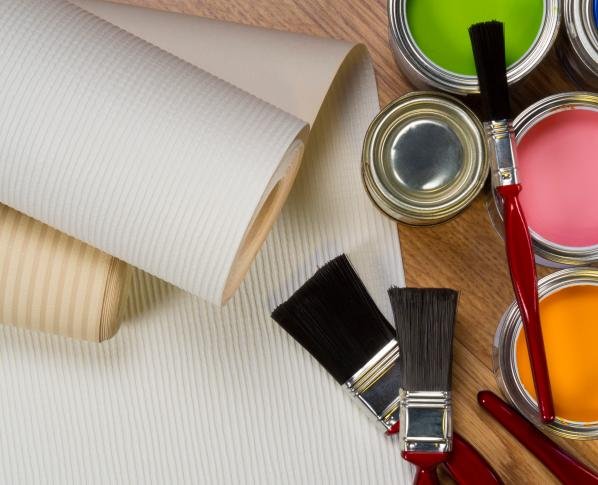
We all find it tough going when we take on the task of painting our home – it may seem daunting for beginners, but as with everything, invention is the key to success. While most house painting in Sydney is left to the professionals, some take on the job themselves. Here is a run-down of the top 5 funniest and strangest house painting techniques employed by some of the more inventive painters.
1.The paint bomb technique
Mr Bean may have some part to play in influencing this bizarre technique, but the idea that you can paint a room by placing an explosive device in a paint tin seems like it has its advantages. The idea of splattering every part of a room with your favourite hue has drawn enough attention to warrant an entire MythBusters episode to find out if it is even possible.
Using a paint bomb to paint an entire room may cause certain safety concerns, and making sure that you fully protect the flooring and furniture located in the general vicinity is a must. The MythBusters team found out fairly early on that the explosion did paint the room with more than a splash of colour, but it lacked the certain finesse and finish that the best pro painter in Sydney could offer you. We weren’t surprised.
2. The Industrial car spray technique
The idea is simple. Find yourself a professional, industrial car spray painting machine and put it to use in the home. For many people, it’s the great time required to paint the home that make it so much work. Picking up some kind of spraying device is the next step for many when it comes to getting the job done in record time.
The problem presents itself when you realise that most industrial car spray painting machines are made for thinner paint that is used for auto bodywork and that double thick acrylic wall paint you love clogs up the machine. Whilst this technique is a creative ideal, it just doesn’t work in practice.
Most professional house painters use a combination of brush work and rollers to get the best finish, but there are interior decorating spray machines available from any good home DIY store that can handle the task quite bit better than their car painting counterparts.
3. Rag, Sponge, sock, flannel
The next technique that makes for a genuinely great looking paint surface: texturing with paint. Some people may prefer a rag to a sponge; others may get more inventive and use a softly plaid cotton sock to achieve the perfect look. Creating a textured effect with your paint can give a beautiful finish to otherwise dull walls.
The great benefits of this technique are that it is relatively cheap to source the tools necessary, and can be done with relative ease. A great tip is to use slower drying paint to allow you enough time to apply the desired effect. With a simple sweep, swirl or patterned movement of your sponge or rag you can create a layered look with a texture that adds a little chic to the largest or smallest of walls around your home.
4. The robo-painter
Technology has come a long way when it comes to painting and decorating and the robo-painter is a testament to this fact. This machine is able to scale walls and apply the finishing touches to your home with ease.
The robo-painter is still in the development phase but will have a million different uses around the home and in industrial applications, too. The idea is that you use the robots scanner to initially scan a room to find all of its paintable surfaces, mark where the robot should not paint, and let it get on with the job. “Hasta la vista, roller?” who knows, but expect technology to improve further down the line.
5. Autonomous graffiti drone
This futuristic device may possibly change neighbourhoods for the worse in how it goes about its daily task. Built as a concept design, this robot is not strictly speaking a house painter. The idea is that once programmed, this small drone equipped with a spray can will travel to the wall of your choice and tag it with your latest design.
Being backed by an open source project, anyone can help to design how it operates, making it faster, better and more autonomous with each software iteration. The concept has other applications in the industry, as well as being able to be programmed to paint walls. With the next step being a team of drones carrying various colours ready to paint your house in no time at all, the possibilities are almost endless for automatic painting techniques of the future.







.png)

.png)