Why Older Strata Buildings Require Specialised Coating Systems
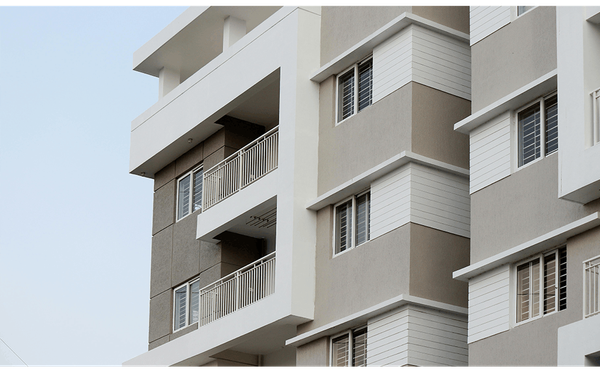
The answer lies in substrates, exposure and inspection, all of which demand specialised coating systems rather than generic solutions.
Older strata buildings carry character, history and long-term value. They also carry unique technical challenges that modern paint systems are not always designed to handle. It is therefore important to adopt specialised coating systems for their longevity and appeal.
Why age changes how a building should be painted
As buildings age, their surfaces change. Masonry becomes more porous, concrete develops micro-cracking and metal elements accumulate layers of old coatings. These changes affect adhesion, moisture movement and coating flexibility. This is why experienced professionals treat older buildings as technical environments and not cosmetic projects.
Older strata buildings were often constructed using materials and methods that behave very differently from modern systems. Without acknowledging this, new paint can trap moisture, bridge active cracks incorrectly or fail to bond with legacy coatings.
What makes older strata substrates more complex
Have you noticed flaking paint that keeps returning in the same areas? Or hairline cracks that reappear shortly after repainting? These are signs of substrate instability.
Common issues include rising damp, salt efflorescence, carbonation in concrete (concrete cancer) and incompatible historical coatings. Each issue requires targeted surface preparation and specialised primers or breathable coating systems. Applying standard acrylics without addressing these conditions often leads to blistering and early failure.
The role of inspection and specification
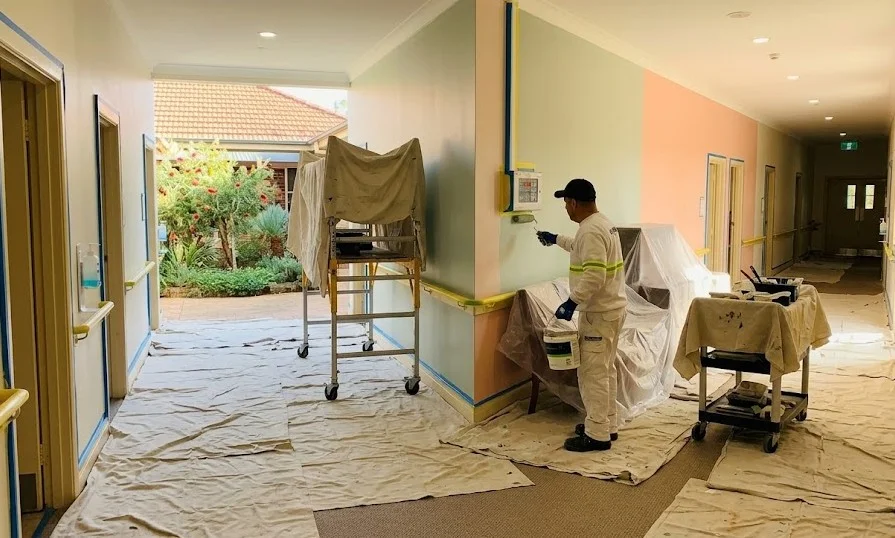
Older strata buildings cannot be repainted successfully without a thorough condition assessment. This includes identifying existing coating types, testing adhesion and evaluating exposure zones across the facade.
From this assessment, a dedicated specification is developed. This specification defines preparation methods, repair materials and coating systems suitable for the building’s age and condition. Skipping this step often results in inconsistent finishes and reduced coating life.
A key question for owners and committees
Older strata buildings cannot be repainted successfully without a thorough condition assessment. This includes identifying existing coating types, testing adhesion and evaluating exposure zones across the facade.
Many older strata buildings were not designed with modern maintenance access in mind. Facades may include decorative elements, recessed balconies or narrow setbacks.
Here, specialist access planning ensures surfaces are prepared correctly at all levels, while proper sequencing prevents moisture from being sealed into older walls (a common cause of coating failure).
Specialised coating systems perform better
Specialised coating systems are designed to work with older substrates. They manage moisture vapour transmission, tolerate substrate movement and provide stronger intercoat adhesion.
For example, breathable masonry coatings allow trapped moisture to escape without forcing paint off the surface. Elastomeric systems accommodate minor structural movement without cracking. Corrosion-inhibiting primers protect ageing metal components before decorative coatings are applied.
Our expertise can preserve invaluable assets
Older strata buildings require more than fresh colour. When age-related conditions are addressed with specialised coating systems, informed specification and disciplined application, coatings last longer, and buildings age more gracefully.
If you are responsible for an older strata or residential building, discuss the project with Premier Painting to understand legacy substrates and long-term coating performance.







.png)

.png)