Preserving Property Value Through Preventive Maintenance
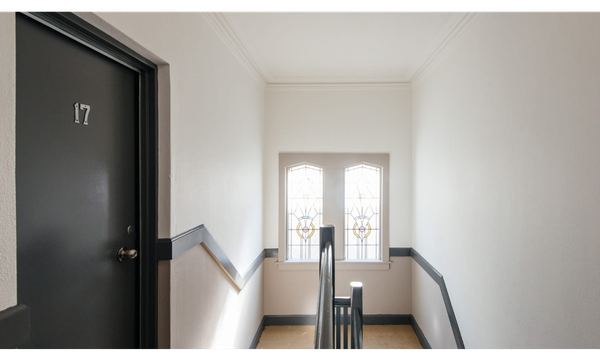
Strata buildings are shared investments. Every owner has a stake in how the property performs over time, not just financially but in appearance, liveability and long-term structural health. One of the most effective ways to protect that investment is through planned painting and maintenance.
Painting is often seen as cosmetic, but it does much more. It forms a protective layer that shields the building’s materials from weather, moisture and general wear. If neglected, the consequences go beyond faded colour. Without regular upkeep, buildings can experience water damage, corrosion, surface failure and rising repair costs.
Preventive maintenance helps your building stay attractive, compliant and structurally sound. It also supports property value by reducing the risk of deterioration and unexpected special levies.
Why Regular Painting and Repairs Matter
For owners, a well-maintained building brings real financial and practical benefits:
- Protects external surfaces
Paint helps preserve render, concrete, metal and timber by reducing exposure to UV, rain and wind. Without it, materials break down faster and repairs become more frequent. - Helps identify small issues early
Maintenance professionals often discover cracks, worn sealants or signs of water ingress while preparing or washing surfaces. Fixing them early avoids more serious damage later. - Keeps the building looking well managed
A clean, updated façade gives buyers and valuers confidence that the building is being properly maintained. Poor presentation can raise concerns about long-term management. - Reduces long-term costs
Repainting on a planned schedule is far more affordable than reactive repairs after deterioration has set in. - Maintains manufacturer warranties
Most professional coatings come with a warranty, but they require that the surface is kept clean and maintained. If the building is not washed or inspected regularly, the warranty may be void.
What Can Happen Without Maintenance
Putting off painting or basic repairs can lead to visible and hidden issues over time, including:
- Peeling or bubbling paint due to moisture
- Cracking that expands in heat and rain
- Rust from exposed steel elements
- Failing sealants around joints and windows
- Internal damp or mould linked to water ingress
Left unchecked, these can affect internal spaces, common areas or neighbouring lots, leading to larger and more expensive repairs.
What Preventive Maintenance Typically Involves
A good maintenance plan includes:
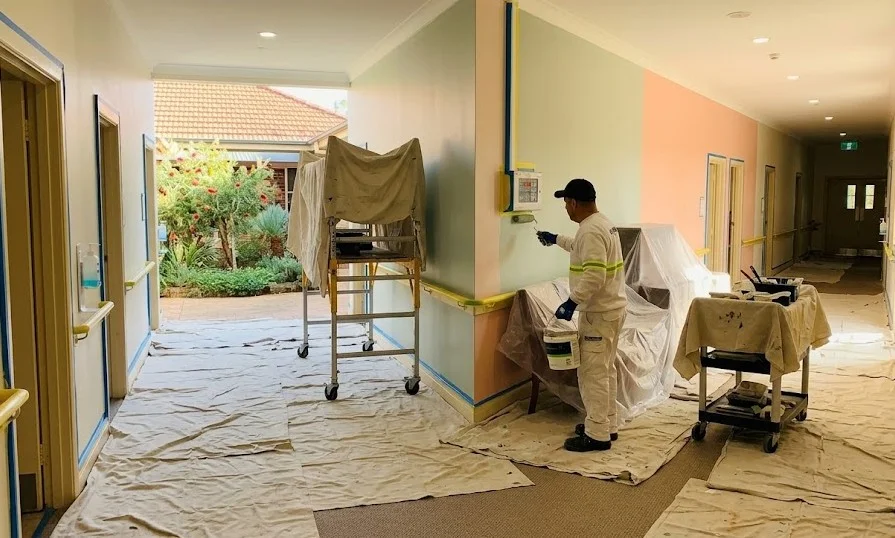
- Routine inspections to assess surfaces and identify early signs of wear
- Scheduled building washing to remove pollutants and maintain coating life
- Painting cycles every 7 to 10 years, depending on exposure and product used
- Sealant touch-ups and minor repairs to maintain integrity between full repaints
- Clear documentation to support warranty compliance and long-term planning
This allows the committee and Strata Manager to plan ahead, reduce risk and avoid last-minute costs.
What Owners Can Do
Although the committee and Strata Manager handle the planning, owners can support effective maintenance by:
- Asking when the building was last inspected or painted
- Supporting preventive work rather than waiting for issues to appear
- Backing regular washing, which extends the life of paint systems
- Ensuring contractors are using warranted systems and keeping records
Being informed and engaged helps protect the value of your home and the shared asset it sits within.
Taking Care of What You Own
Preventive maintenance is not just a building issue. It is an investment in your property’s condition, value and future. Planned painting and repairs reduce long-term risk, keep the building looking good and help avoid larger problems down the track.
For more details on how planned painting and maintenance protect your strata investment, get in touch with Premier Painting today: www.premierpainting.com.au







.png)

.png)