How to Prepare Your Sydney Home Before the Painters Arrive: A Room-by-Room Guide
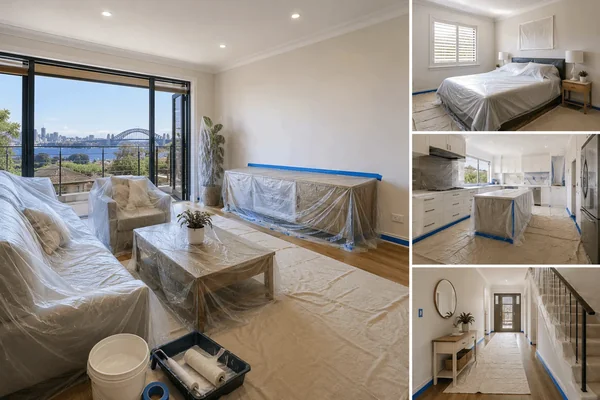
Quick answer: Preparing your home for professional painters means clearing furniture away from walls, removing wall hangings and switch plates, covering or relocating items that cannot be moved, and ensuring unobstructed access to every surface. Surface preparation (filling, sanding, washing down, and priming) is the painter's responsibility, not yours. With 28+ years of residential experience, Premier Painting's team will advise on anything property-specific before work begins.
Knowing how to prepare your home for painters is one of those things that sounds simple until the morning of the job arrives. Most Sydney homeowners are surprised by how much, or how little, they actually need to do. The confusion is understandable: surface preparation is the painter's job, but access and protection of your belongings is yours. Getting that division of responsibility clear before the team arrives makes the project run faster, reduces the risk of accidental damage, and means there are no awkward conversations on the day.
Why Preparation Matters: What Is and Is Not Your Job

There is a clear division of labour in any residential painting project. The painting contractor is responsible for surface preparation: washing down walls and ceilings, filling hairline cracks, sanding back rough areas, applying primer where required, and managing any special conditions such as mould, water stains, or peeling paint. All of that is part of the professional scope, not something the homeowner should attempt in advance.
Your role is to ensure the painter can actually get to those surfaces without interruption. That means furniture is moved, wall hangings are off, and rooms are as clear as practically possible. It sounds straightforward, but it is consistently where projects lose time. A painter who arrives to find a bookcase pushed hard against a feature wall, or artwork still hanging across the length of a hallway, will need to spend time solving those problems before a brush goes on.
Equally, some older Sydney homes present a specific preparation challenge: lead-based paint. Homes built before 1970 in suburbs such as Paddington, Glebe, Surry Hills, and Balmain frequently contain lead paint on walls, windows, trims, and doors. Under SafeWork NSW guidance, lead paint must be assessed and managed by a trained, compliant contractor before any sanding, scraping, or repainting work begins. This is not a task for homeowners to manage independently. A professional painter trained to AS/NZS 4361.2 will assess these surfaces and manage any associated risks as part of the project scope.
| Area | Homeowner's Responsibility | Painter's Responsibility |
|---|---|---|
| Walls and ceilings | Remove hangings, picture hooks, and wall-mounted items | Fill cracks, sand, prime, wash down, paint |
| Furniture | Move away from walls; protect or relocate valuables | Cover remaining items with drop sheets |
| Floors | Move rugs where possible | Lay protective floor coverings throughout |
| Switch plates and outlet covers | Remove where safe to do so | Mask remaining electrical fittings |
| Exterior areas | Clear garden furniture, pots, and perimeter items | Set up access, mask windows and fixed fittings |
| Lead paint (pre-1970 homes) | Disclose the age of the property and known conditions | Assess, manage and treat per AS/NZS 4361.2 |
Bedroom: What to Clear and What to Cover
Bedrooms are usually the most involved rooms to prepare because they tend to be the most furnished. The priority is to create a clear perimeter around every wall. Bedside tables, wardrobes, chests of drawers, and any freestanding furniture should be moved at least 600mm from the walls, or further if possible. Beds can often stay in place if moved to the centre of the room and covered, but if there is more than one room being painted at a time, consider whether staging rooms in sequence is more practical.
Remove all framed artwork, mirrors, and decorative items from walls. Take down curtain rails and blinds where they are mounted directly on walls to be painted. Your painter will advise on this in advance if it is relevant. If built-in wardrobes are being painted, empty or protect the contents inside.
Wardrobes with mirrored sliding doors should be masked by the painter, but the closer they are to the wall, the harder this is. If you can slide them open and away from the wall, do so.
Living Areas and Dining Rooms: Moving Furniture and Protecting Floors
Living areas typically require the most furniture movement of any room. Sofas, armchairs, coffee tables, bookshelves, and entertainment units should all be moved away from the walls. For large pieces that cannot be moved easily, consolidate them in the centre of the room and ensure your painter can work fully around the perimeter before they arrive, rather than partway through the day when disruption is harder to manage.
Remove everything from shelves and display units that will be painted. Books left on built-in shelving, ornaments on mantelpieces, and wall-mounted televisions all require additional time and care to work around. The faster a painter can access the full wall surface, the cleaner and more consistent the result.
How to prepare walls for painting interior spaces such as living rooms is commonly asked, but again, the physical wall preparation (filling, sanding, washing) is the painter's scope. Your job is to give them a clear run at the surface. If you are aware of specific areas of concern, such as a water stain behind a sofa, old adhesive from removed wallpaper, or a patch of mould at skirting level, flag these before the project begins so the painter can factor them into the quote and preparation plan.
Planning a Residential Repaint in Sydney?
Premier Painting provides free, detailed quotations for residential repaints across Sydney, the Central Coast, and Wollongong. Call 1300 916 291 or request a free quote online and a Project Manager will assess your property and advise on preparation specific to your home.
Kitchen and Laundry: Small Rooms With Specific Considerations
Kitchens require particular care because of proximity to appliances, food preparation areas, and the potential for paint fumes to linger. Clear bench tops entirely and remove any items stored on top of overhead cabinets. If cabinetry is being repainted, all contents should be removed before work begins.
Appliances such as refrigerators and dishwashers that are not fixed cannot always be moved far, but should be pulled out from the wall as far as the plumbing or cabling allows. Portable appliances such as kettles, toasters, and microwaves should be moved out of the room entirely or covered securely.
In the laundry, the same principle applies: move appliances where possible, cover those that cannot be moved, and clear any shelving or wall-mounted items. Laundries often have tiled splashbacks adjacent to rendered or plaster walls. Your painter will mask these during preparation, but flagging where the tiling ends and the paintable surface begins is worth confirming before work starts.
Bathroom: Preparation in a Confined and Often Humid Space
Bathrooms are typically small rooms with limited manoeuvring space, but the preparation is straightforward. Remove all items from shelving, towel rails, the vanity, and windowsills. Toilet roll holders and towel rail brackets can often be removed with a screwdriver. Ask your painter in advance whether this would be helpful.
Bathroom walls are often exposed to ongoing moisture, which can affect paint adhesion if not addressed properly. This is surface preparation territory and your painter's responsibility to assess. However, if you are aware of any ongoing ventilation issues, mould history, or surfaces that have already been painted multiple times with different products, sharing that information upfront allows the painter to specify the right preparation and product system for a lasting result.
The Australian Government's guide to paints and finishes notes the importance of selecting low-VOC products in enclosed spaces such as bathrooms, particularly where ventilation is limited. A Dulux Accredited contractor will specify appropriate products as part of the project plan.
Exterior: Preparing the Outside of Your Sydney Home
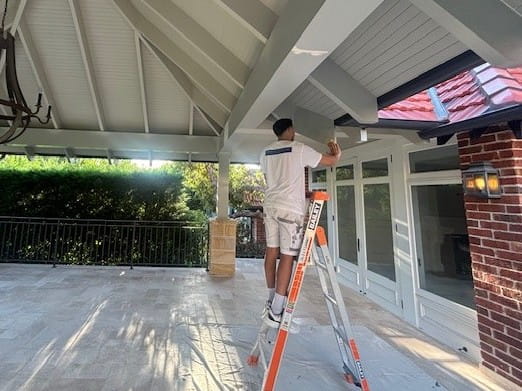
Garden and perimeter clearance
Exterior preparation starts with clearing the perimeter. Move outdoor furniture, pot plants, garden ornaments, and any items stored along the walls of the house at least two metres out from the building. This includes items under eaves, on verandahs, and in covered outdoor areas.
If you have garden beds or established plantings close to the building, let your painter know in advance. Drop sheets and masking will protect them during the project, but dense plantings close to the wall can slow access and complicate preparation. Some minor pruning or staking before the job starts can make a significant difference.
Weatherboards, timber, and older surfaces
Many Sydney homes, particularly in the inner west, eastern suburbs, and lower north shore, feature painted weatherboard cladding. How to prepare old weatherboards for painting is a question painters encounter frequently: it involves scraping back any flaking paint, sanding the surface, spot-filling gaps and nail holes, and applying the right primer before any topcoat goes on. This is all part of the professional scope. What the homeowner can do is ensure the walls are accessible from ground level. Overgrown garden beds, dense creepers, or stored items against the wall all slow down the preparation stage.
How to prepare exterior wood for painting, including window frames, fascia boards, and door trims, is also handled by the painting team. Timber in exposed conditions in Sydney's coastal and humid climate often requires more preparation than comparable interior surfaces, and an experienced painter will factor this into the programme. If you notice areas of obvious rot, splitting, or damage before the project begins, flag them in advance so the painter can assess whether patch repair or replacement is required before painting begins.
Access and pets
Confirm that side gates are unlocked and accessible for the duration of the project, particularly if scaffolding or elevated work platforms are being used. Ensure pets are kept away from the work area throughout, including on days when scaffolding is being erected or removed. Your painter will confirm access requirements during the pre-start inspection.
What to Tell Your Painter Before Work Begins
Good communication before a residential project begins is as important as physical preparation. When requesting a quote from a residential painting contractor or before work begins, share the following information:
- The age of the property, particularly if built before 1970
- Any known history of lead paint, asbestos-containing materials, or previous encapsulation work
- Areas of ongoing moisture, mould, or water ingress, including from gutters, downpipes, or roof penetrations
- Previous painting products used, if known, particularly on previously painted render, masonry, or specialist finishes
- Specific rooms or surfaces where access is restricted by fixed furniture, built-ins, or equipment
- Any colour or finish preferences, or surfaces where specific paint products are required for warranty or compliance reasons
Premier Painting's Project Managers conduct a pre-start site inspection on every residential painting project and that is the right time to walk through each room, flag known concerns, and confirm the preparation scope. The NSW Fair Trading Guide to Standards and Tolerances also provides a useful reference for what constitutes a professionally prepared surface and acceptable finish standard under NSW law, and worth familiarising yourself with before a larger project.
More Useful Reading Before Your Repaint
For a broader overview of what to expect from a residential painting project, our guide on things to know before a house painting project covers product selection, timelines, and the questions worth asking a painting contractor before you sign off on a quote. And if you are comparing painters or thinking about how to select the right contractor for your home, our article on how to hire a professional residential painter in Sydney outlines what to look for in credentials, warranties, and project management.
Ready to Book a Free Painting Assessment for Your Sydney Home?
Premier Painting provides obligation-free, itemised quotations for residential repaints across Sydney, the Central Coast, and Wollongong. Call 1300 916 291 or request a free quote and Premier Painting's team will assess your property, advise on preparation, and provide a clear scope before any work begins.
Frequently Asked Questions
How do I prepare my house for professional painters?
Clear furniture away from walls, remove wall hangings and switch plates, cover or relocate items you cannot move, and ensure the painter has clear access to every surface. Your painting contractor will advise on any additional preparation specific to your property before work begins.
Do I need to move all my furniture before painters arrive?
You do not need to remove furniture from the room entirely, but pieces should be moved away from walls to give painters unobstructed access. Large items can be shifted to the centre of the room and covered with drop sheets. Your painter will use additional protection as needed, but clearing as much floor space as possible speeds the job and reduces the risk of accidental damage.
How should I prepare walls before professional painters arrive?
The surface preparation itself (filling cracks, sanding, priming, and washing down surfaces) is part of the professional painting scope and handled by your painter. Your role before they arrive is to clear the room, remove wall hangings, take off switch plates and outlet covers where safe to do so, and flag any specific areas of concern such as water stains, mould, or peeling paint.
My Home Was Built Before 1970. Do I Need to Worry About Lead Paint?
Yes. Homes built before 1970 in Sydney often contain lead-based paint on walls, windows, doors, and trims. SafeWork NSW requires that lead paint is assessed and managed by trained contractors before any sanding, scraping, or repainting begins. A professional painting contractor trained in lead-based paint hazard management, compliant with AS/NZS 4361.2, will assess the surfaces and manage any risks as part of the project scope.
What should I do to prepare exterior walls before painters arrive?
Ensure outdoor furniture, pot plants, and any moveable items are cleared from around the perimeter of the building. If you have garden beds or landscaping close to the building, flag these with your painter so appropriate masking and protection is applied. Access is critical for exterior work: confirm that gates are unlocked and that any pets are kept away from the work area throughout the project.
What do house painters charge per hour?
Painting costs depend on the scope of the job, the surfaces involved, the access required, and the preparation needed. Most residential projects are quoted on a fixed-price basis rather than an hourly rate, which gives homeowners more budget certainty. The best way to get an accurate figure is to request a detailed, itemised quote from a qualified painting contractor.







.png)

.png)