Rope Access vs Scaffolding for Painting High Rise Buildings
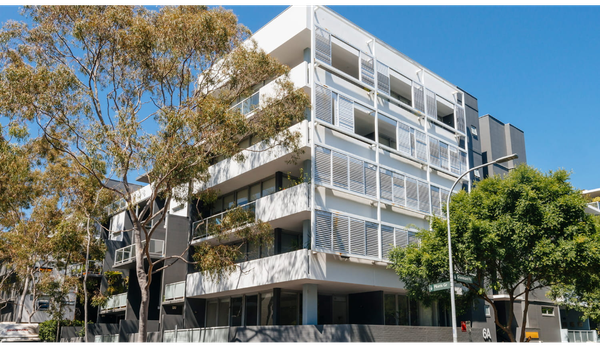
High rise painting projects present unique challenges. Access safety, building height and ongoing occupancy all influence how work can be carried out effectively. One of the most important decisions at the planning stage is choosing the right access method.
This article compares rope access painting vs scaffolding for painting high rise buildings. It explains how each method works, the key differences between them and how to assess which option is more suitable for a particular building. The focus is on practical considerations rather than preference or cost.
Why Access Method Matters in High Rise Painting
Access is not just a logistical detail. It directly affects safety, efficiency, occupant disruption and compliance outcomes. Poor access planning can lead to delays, increased risk and unnecessary inconvenience for residents and building users.
High rise painting services must account for:
- Building height and design
- Proximity to neighbouring properties
- Resident access and daily activity
- Safety risks at elevation
- Regulatory and compliance obligations
Selecting the appropriate access method helps ensure the project runs smoothly from start to finish.
Overview of Rope Access Painting
Rope access painting uses specialised rope systems to allow qualified technicians to work at height. Painters are secured by multiple safety lines and descend or move across building façades as required.
This method is commonly used on tall buildings where traditional access systems are impractical or disruptive. Rope access painting requires highly trained personnel and strict adherence to safety procedures.
Overview of Scaffolding for Painting
Scaffolding involves erecting a fixed structure around part or all of a building. It provides a stable working platform and allows multiple trades to operate from the same access system.
Scaffolding has long been used for exterior painting and remains appropriate in certain scenarios, particularly for low to mid rise buildings or where extended access is required in one area.
Key Differences Between Rope Access and Scaffolding
While both methods are used for high rise painting services, they differ significantly in how they affect the project environment.
Installation and setup
Rope access systems can often be installed quickly, with minimal ground level disruption. Scaffolding requires more time, space and planning to erect and dismantle.
Impact on building occupants
Rope access typically results in less obstruction to entrances, balconies and common areas. Scaffolding can limit access, reduce light and affect daily building use for extended periods.
Flexibility and reach
Rope access allows painters to move efficiently across façades and reach complex architectural features. Scaffolding is fixed and may need to be adjusted or extended as work progresses.
Site footprint
Rope access requires limited ground space, which is beneficial in dense urban environments. Scaffolding often requires significant space at ground level, which may impact footpaths, parking or neighbouring properties.
Safety Considerations for Both Methods
Safety is critical regardless of the access method used. High rise painting safety requirements apply to both rope access and scaffolding.
Key safety factors include:
- Worker training and certification
- Equipment inspection and maintenance
- Risk assessments and method statements
- Exclusion zones and public protection
- Ongoing supervision
Rope access painting relies heavily on technician competency and procedural compliance. Scaffolding safety depends on correct installation, regular inspection and controlled access.
Both methods can be safe when managed properly by experienced professionals.
Compliance and Regulatory Requirements
High rise painting projects must comply with workplace safety regulations, building standards and site-specific requirements. This includes ensuring that access systems meet regulatory guidelines and that all workers are suitably qualified.
Rope access painting is subject to strict training and accreditation requirements. Scaffolding must be designed, erected and maintained in accordance with relevant standards.
Painting services that understand compliance obligations help reduce risk for building owners, strata managers and councils.
When Rope Access is More Suitable
Rope access painting is often preferred when:
- The building is very tall or architecturally complex
- Ground space is limited
- Disruption to occupants needs to be minimised
- Targeted or staged work is required
- Speed and flexibility are important
This approach is commonly used for high rise residential towers, commercial buildings and government assets in built up areas.
When Scaffolding May Be the Better Option
Scaffolding may be more appropriate when:
- Large continuous areas require extended work
- Multiple trades need access at the same time
- The building is low to mid rise
- Surface repairs are extensive
- Longer term access is required
In these cases, the stability and platform space provided by scaffolding can support complex or labour-intensive works.
What This Means for Strata Managers and Building Owners
There is no one-size-fits-all answer when comparing rope access vs scaffolding for painting. The right choice depends on building design, safety considerations and how the work will affect occupants and the surrounding environment.
Understanding these differences helps decision makers ask the right questions and assess whether a proposed access method is appropriate for their building.
If you are planning high rise painting works, choosing the right access method is critical. Premier Painting has extensive experience delivering compliant, well-managed high-rise painting services across Sydney, the Central Coast and Newcastle. To discuss your building and get clear, practical guidance on the most suitable approach, contact Premier Painting today.







.png)

.png)