How Strata Painting Projects Are Managed from Start to Finish
Strata painting projects involve far more than applying a new coat of paint. They require careful planning, clear communication, strong safety controls and coordination across multiple stakeholders. For strata managers and owners corporations, understanding how these projects are managed helps reduce risk, avoid disruption and protect the long term condition of the building.
This article explains how strata painting projects are managed from start to finish. It outlines the key stages involved, the common challenges that arise and what a well run process looks like in practice. The focus is on clarity, reliability and outcomes that meet strata expectations.
Why Strata Painting Projects Require Structured Management
Strata buildings are shared environments. Painting works often affect residents, visitors, contractors and surrounding properties. Without a structured management approach, projects can quickly lead to safety incidents, access issues, delays or disputes.
Effective strata painting management ensures that:
- Work is planned around resident access and building use
- Safety risks are identified and controlled before work begins
- Compliance requirements are met at every stage
- Communication is consistent and documented
- Quality standards are maintained across large or complex sites
This is especially important for multi storey buildings, high rise assets, heritage properties and buildings with ongoing occupancy.
Step 1: Initial Assessment and Site Inspection
Every strata painting project begins with a detailed site inspection. This stage sets the foundation for everything that follows.
During the assessment, the contractor reviews:
- Building size, layout and height
- Existing paint condition and substrate issues
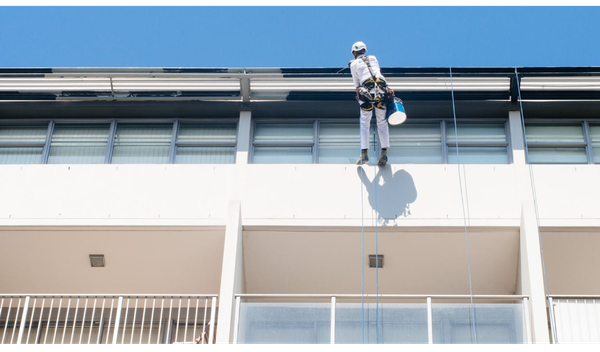
- Access requirements, such as rope access, scaffolding, or lifts
- Environmental exposure, including coastal or high traffic areas
- Safety considerations for residents and the public
This inspection allows the scope of work to be clearly defined. It also helps identify potential issues early, such as concrete spalling, lead paint or difficult access zones, which can affect timing and methodology.
For strata painting services, this step ensures the proposed approach is realistic, compliant and aligned with the building’s condition.
Step 2: Scope Definition and Project Planning
Once the assessment is complete, a clear scope of works is developed. This document outlines exactly what will be done, how it will be done and the standards that will apply.
A well defined scope typically covers:
- Areas to be painted, including interiors, exteriors and common property
- Surface preparation requirements
- Paint systems and finishes
- Access methods and equipment
- Safety controls and exclusion zones
- Project staging and timelines
For strata painting contractors, this stage is critical. A clear scope reduces misunderstandings and ensures all stakeholders are aligned before work begins.
Step 3: Safety and Compliance Planning
Safety and compliance planning is a central part of how strata painting projects are managed. Shared buildings require careful consideration of people movement, public access and high risk activities.
Before work starts, the contractor prepares documentation such as:
- Safe Work Method Statements
- Risk assessments specific to the site
- Access and traffic management plans
- Environmental controls
- Emergency procedures
Compliance requirements vary depending on building type, height and location. Government standards, workplace safety regulations and strata specific obligations must all be met.
Strong safety planning protects residents, workers and the owners corporation, while also reducing the risk of project delays or enforcement action.
Step 4: Stakeholder Communication and Coordination
Clear communication is essential throughout a strata painting project. Multiple parties are usually involved, including strata managers, building managers, committees, residents and other contractors.
Effective project management includes:
- Advance notice of works and schedules
- Clear explanation of access changes or restrictions
- Regular progress updates
- Prompt response to questions or concerns
- Coordination with other maintenance activities
This level of communication helps minimise disruption and builds trust. It also ensures issues are addressed early, before they escalate into complaints or delays.
For painting maintenance for strata buildings, communication is often just as important as the technical work itself.
Step 5: Site Setup and Access Management
Before painting begins, the site is prepared to ensure safety, efficiency and compliance.
This stage may involve:
- Installing scaffolding or setting up rope access systems
- Establishing exclusion zones and signage
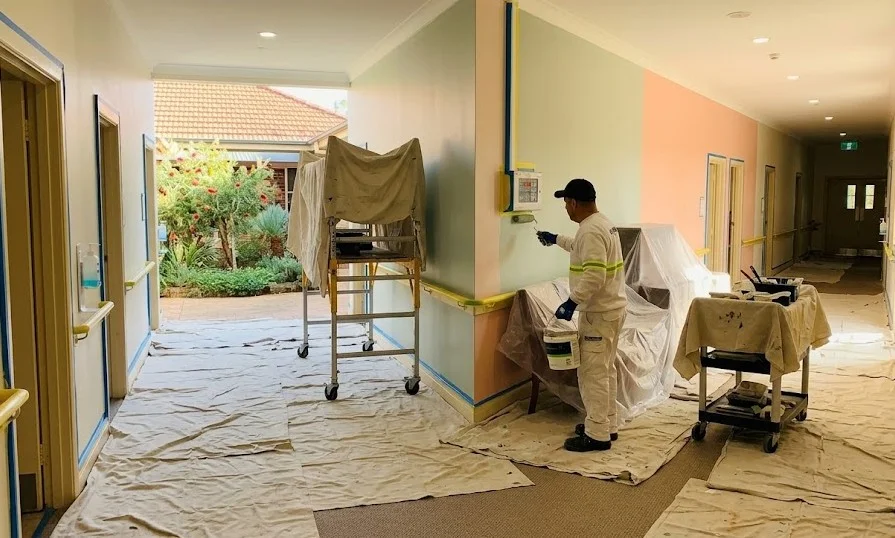
- Protecting landscaping, vehicles and common areas
- Setting up waste management processes
Access management is especially important in occupied buildings. Residents must be able to enter and exit safely, while work proceeds around them.
Proper setup reduces risk and allows painters to work efficiently, without unnecessary interruptions.
Step 6: Surface Preparation and Painting Works
Surface preparation is a key factor in achieving durable results. This stage often takes more time than the painting itself, but it directly affects the longevity of the finish.
Preparation may include:
- Cleaning and washing surfaces
- Removing loose or failing paint
- Repairing cracks or minor defects
- Treating rust or corrosion
- Priming where required
Once preparation is complete, painting works proceed according to the agreed scope and schedule. Quality control checks are carried out during this stage to ensure consistency and adherence to specifications.
Strata painting services that prioritise preparation deliver finishes that perform better over time and reduce future maintenance requirements.
Step 7: Ongoing Supervision and Quality Control
Throughout the project, supervision plays a critical role. A dedicated supervisor or project manager oversees daily activities, monitors safety compliance and checks workmanship.
Key responsibilities include:
- Ensuring work follows the approved methodology
- Verifying safety controls remain effective
- Coordinating access and sequencing
- Inspecting completed sections for quality
- Addressing issues as they arise
Regular supervision helps keep the project on track and ensures standards are maintained across all areas of the building.
Step 8: Completion Inspection and Handover
Once painting works are complete, a final inspection is carried out. This step confirms that the scope has been delivered and that quality standards have been met.
The completion process typically includes:
- Walkthrough inspections with representatives, where required
- Identification and rectification of minor defects
- Removal of access equipment and site cleanup
- Handover documentation and maintenance guidance
A structured handover provides confidence that the project has been completed properly and that the building is ready for ongoing use.
Common Challenges in Strata Painting Projects
Even well planned projects can face challenges. Understanding these helps strata managers set realistic expectations.
Common issues include:
- Weather impacts on exterior works
- Unexpected substrate conditions
- Access constraints in older buildings
- Resident availability and access coordination
Strong project management helps address these challenges without compromising safety or quality.
What This Means for Strata Managers and Owners Corporations
Understanding how strata painting projects are managed helps decision makers assess contractors more effectively. It shifts the focus from price alone to process capability, safety and long term outcomes.
A structured approach reduces risk, protects shared assets and supports smoother project delivery across complex environments.
If your strata building requires painting or ongoing maintenance, it helps to work with a team that understands the full project lifecycle. Premier Painting provides professional strata painting services across Sydney, the Central Coast and Newcastle, with a strong focus on safety, compliance and quality outcomes. If this sounds like something you need help with, you can contact Premier Painting to discuss your project requirements.







.png)

.png)