High-Rise Painting Safety Requirements: What Building Managers Need to Know
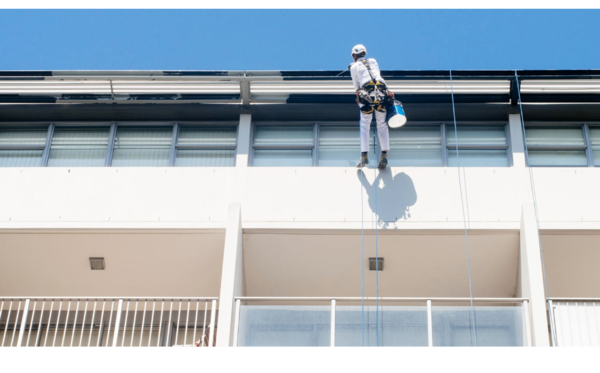
Painting works on tall buildings involve significantly higher safety risks than standard projects. Access at height, shared building environments and public exposure mean that strong safety systems must be in place before work begins. Understanding high-rise painting safety requirements helps building managers, strata committees and facility teams ensure projects are carried out responsibly.
This article explains the key safety considerations involved in high-rise painting services. It outlines the regulatory expectations, access planning requirements and risk management practices that help protect workers, residents and the surrounding public.
Why Is Safety Planning Critical in High-Rise Painting
High-rise buildings introduce hazards that are not present in lower structures. Elevated work areas, complex façades and proximity to pedestrian zones increase the potential consequences of safety failures.
Without structured safety planning, painting projects can expose buildings to:
- Worker injury from falls or equipment misuse
- Risks to residents or pedestrians below
- Project shutdowns due to regulatory breaches
- Liability concerns for building owners or managers
- Delays caused by unsafe access arrangements
High-rise painting services must therefore prioritise safety management from the earliest stages of project planning.
Working At Heights Regulations
Working at heights is one of the most regulated aspects of building maintenance. Contractors performing high-rise painting services must comply with workplace health and safety legislation that governs how elevated work is conducted.
High-rise painting safety requirements generally include:
- Risk assessments specific to the building and work scope
- Safe Work Method Statements for high-risk activities
- Appropriate fall protection systems
- Documented training and competency for workers
- Ongoing supervision throughout the project
These requirements ensure that risks associated with working at height are properly identified and controlled.
Access Systems Used in High-Rise Painting
Selecting the right access system is central to safe project delivery. Different buildings require different solutions depending on height, architecture and surrounding conditions.
Common access methods include:
- Rope access painting systems operated by certified technicians
- Suspended platforms or building maintenance units
- Scaffolding designed for exterior façade work
- Elevated work platforms where space allows
Each system must be inspected, certified and used according to safety standards. The choice of access method also affects how exclusion zones and resident access are managed.
Protecting Residents and The Public
High-rise painting works rarely occur in isolation. Most strata and commercial buildings remain occupied during maintenance projects. Safety planning must therefore extend beyond the workers performing the job.
Effective public protection measures typically include:
- Clearly defined exclusion zones at ground level
- Safety barriers and signage
- Scheduled work periods to minimise disruption
- Controlled movement of equipment and materials
- Communication with residents and building occupants
These measures help ensure that building users remain safe while works are underway.
Equipment Inspection and Safety Controls
All equipment used in high-rise painting must meet strict safety standards. Regular inspection and maintenance help prevent equipment failure during elevated work.
Important safety controls include:
- Routine inspection of rope access equipment
- Certification of scaffolding and platforms
- Secure storage and handling of tools
- Monitoring of weather conditions that may affect safety
- Immediate reporting of hazards or incidents
Proper equipment management forms a core part of painting safety compliance across high-rise environments.
The Role of Supervision and Safety Culture
Strong supervision is essential on complex projects. A dedicated project supervisor or site manager ensures safety systems are followed consistently.
Responsibilities typically include:
- Monitoring adherence to Safe Work Method Statements
- Verifying that workers use equipment correctly
- Coordinating access systems and staging
- Responding quickly to emerging safety risks
- Maintaining communication with building management
A safety-focused work culture reduces the likelihood of incidents and ensures procedures are followed throughout the project lifecycle.
What This Means for Building Managers and Strata Committees
For those responsible for managing tall buildings, understanding high-rise painting safety requirements helps ensure contractors are properly qualified. Reviewing safety systems, access planning and supervision arrangements provides greater confidence that a project will be delivered responsibly.
Experienced high-rise painting services should be able to clearly explain their safety processes and demonstrate compliance with relevant regulations.
If your building requires exterior painting at height, it is important to work with a contractor that understands high-rise painting safety requirements and has the systems to manage them properly. Premier Painting delivers professional high-rise painting services across Sydney, the Central Coast and Newcastle with a strong focus on safety planning, compliance and experienced supervision.
Contact Premier Painting to discuss your building and plan your project with confidence.






.png)

.png)