Waterproofing Membrane Coatings for Strata Buildings in NSW
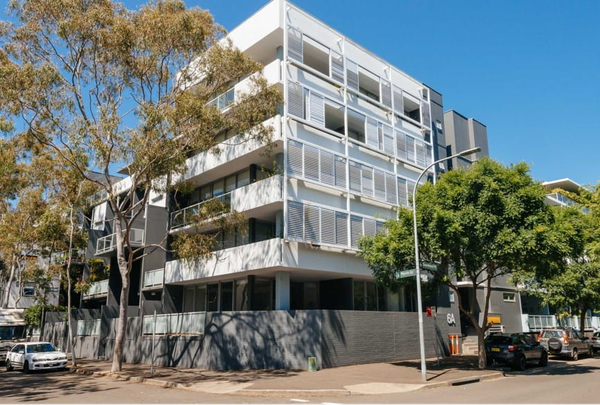
A strata repaint is rarely just about paint. Before a brush goes on, an experienced painting contractor will assess the condition of the substrate — and on older or exposed buildings, what they find often changes the scope of the conversation. Bubbling or delaminating paint, water staining under balconies, cracked render, efflorescence on masonry: these are not just cosmetic issues. They are signs that moisture is already moving through the building envelope, and that painting over the surface without addressing it will not solve the problem.
Waterproof membrane coatings are how these issues are addressed properly — applied to the right surfaces, with the right products, before the decorative painting begins. Here’s what strata managers need to know about them: what they are, where they’re typically required, what Australian Standards apply, and what to look for when a contractor includes them in a repaint proposal.
What Is a Waterproof Membrane Coating and Why Does It Matter for Strata Buildings?
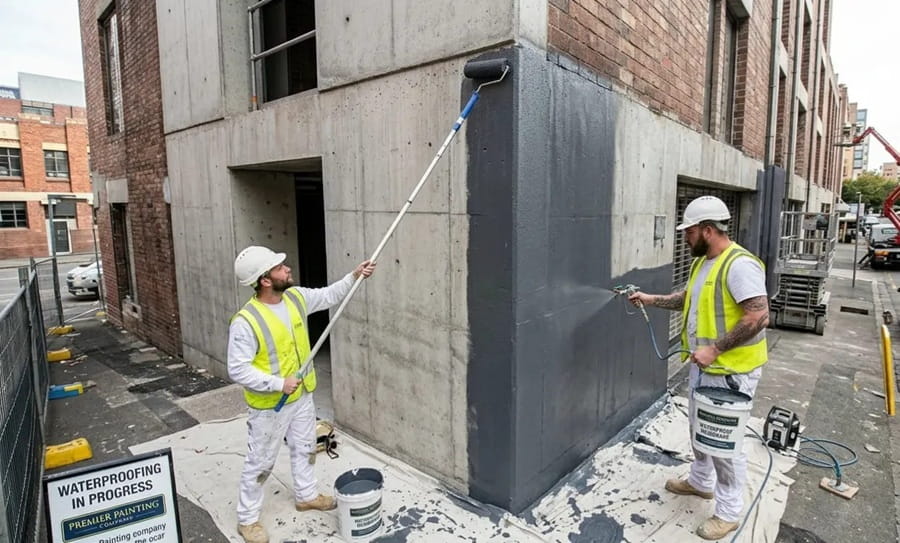
A waterproof membrane coating is a flexible, elastomeric layer applied directly to exterior surfaces — most commonly concrete, render, masonry, and balcony substrates — to prevent water ingress. Unlike standard paint, a waterproof membrane is specifically engineered to bridge hairline cracks, accommodate slight structural movement, and create a continuous barrier against moisture penetration.
In a strata building, unmanaged water ingress is one of the most damaging — and expensive — problems an owners corporation can face. Moisture that penetrates exterior walls or balcony decks can cause spalling concrete, structural corrosion, internal damp, and significant remedial costs. A correctly specified and applied waterproof coating, incorporated into a planned maintenance schedule for strata buildings, is a far more cost-effective approach than reactive repair.
The most commonly specified systems in NSW strata projects include Dulux Elastomeric, Emer-Clad, and Murobond membranes — all of which can be applied as part of a full exterior repaint program. Premier Painting applies these and other major brand systems across strata buildings in Sydney, Central Coast, Newcastle, and Wollongong.
Waterproof Membrane Application vs. Waterproofing Work
Not all waterproofing work is the same, and this distinction matters significantly when scoping strata projects. There are two broad categories:
- Waterproofing membrane application — the application of elastomeric or membrane coatings to exterior walls, balcony facades, and above-ground masonry surfaces. This is within the scope of an experienced, accredited painting contractor.
- Licensed waterproofing works — including wet area waterproofing (bathrooms, showers, internal floor membranes, below-ground tanking), which require a licensed waterproofer under NSW regulations.
Premier Painting specialises in waterproofing membrane application to exterior walls, balconies, and above-ground building surfaces as part of a comprehensive painting and protective coating scope. We do not perform licensed plumbing waterproofing works such as internal wet areas or below-ground waterproofing. If your project requires those elements, your strata manager or building consultant can recommend a licensed waterproofer to work alongside us.
Where Is Waterproof Membrane Coating Typically Needed in a Strata Building?
During a pre-paint inspection of a strata building, our Project Managers routinely assess a range of surfaces that may require membrane treatment before painting. Common areas include:
- Exterior balcony soffits, facades, and parapets exposed to driving rain and UV degradation
- Masonry and rendered exterior walls showing cracking or moisture bleed
- Retaining walls and exposed concrete columns at ground or podium level
- Expansion joints and capping details susceptible to water tracking
- Carpark entry ramps and exposed structural elements where waterproof coatings provide both protection and a finish
In many strata repaints, the protective coating work and the decorative painting scope are planned as a single, integrated program — which is the most efficient and cost-effective approach for owners corporations. A well-scoped project avoids the cost and disruption of returning to site to address waterproofing issues that were not identified upfront.
Australian Standards for Waterproof Membrane Coatings
The primary Australian Standard governing waterproofing membranes is AS 4858, which specifies requirements for wet area membranes used in buildings. For above-ground exterior membrane applications in a painting context, the relevant standard for the underlying paint and protective coating system is AS/NZS 2310, which covers painting specifications for buildings and structures. Product-specific standards and manufacturer specifications also apply to the particular membrane system being used.
Strata managers should confirm with their painting contractor that the membrane system proposed is appropriate for the specific substrate, exposure conditions, and project requirements — and that the application method follows the manufacturer’s technical data sheet. As a Dulux Accredited contractor, Premier Painting applies Dulux membrane systems including Dulux Elastomeric in strict accordance with manufacturer specifications, ensuring the integrity of both the protective coating and any applicable manufacturer warranty.
Signs Your Strata Building May Need Waterproof Coating Work
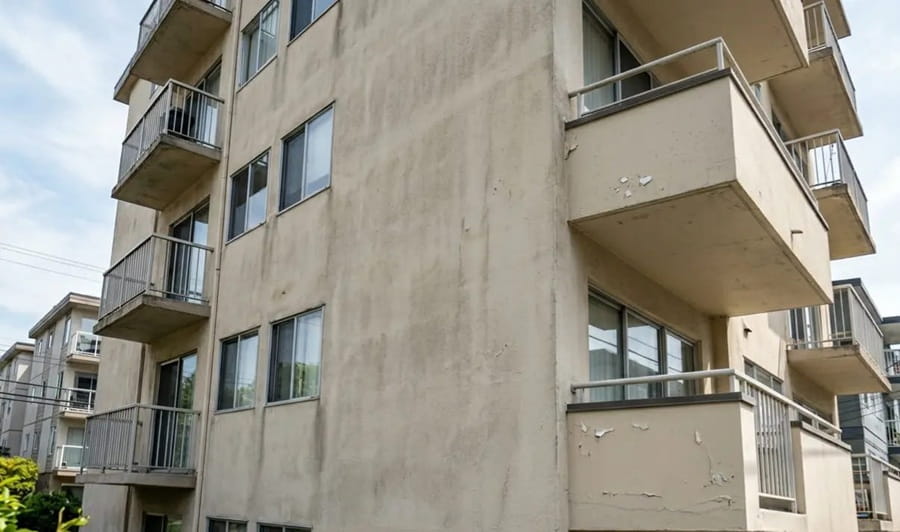
Not every strata repaint requires membrane waterproofing. But several indicators suggest a more thorough assessment is warranted before proceeding with a standard repaint scope:
- Visible efflorescence (white salt deposits) on exterior masonry or render, which indicates water is actively moving through the substrate
- Paint bubbling, peeling, or delaminating on external walls or balcony surfaces — often a sign of moisture pressure from behind
- Water staining on balcony soffits or ceilings of levels below, indicating water is tracking through the structure
- Cracking in render or concrete that has allowed water entry over multiple seasons — particularly where render repairs should be included in the repaint scope but have not been assessed
- Rust staining from corroding reinforcement, which can indicate prolonged water ingress into concrete
If any of these are present, painting over the surface without addressing the underlying moisture issue will not resolve the problem — and may accelerate deterioration. A professional pre-paint inspection by an experienced painting contractor is the appropriate first step.
What Strata Managers Should Ask When Obtaining Quotes
When assessing quotes that include a waterproofing membrane scope, strata managers should ask the following:
- Which specific membrane system is being specified, and is the product appropriate for the substrate and exposure conditions?
- Is the contractor Dulux Accredited or otherwise authorised to apply the specified membrane product?
- What surface preparation is included — crack repair, render patching, pressure washing, primer application?
- Will the waterproofing scope be completed before or integrated with the painting program, and how will sequencing be managed?
- What warranty applies to both the workmanship and the product?
Premier Painting provides detailed written proposals for every strata project, clearly specifying surface preparation, membrane products, application methodology, and applicable warranties. Every project is managed by a dedicated Project Manager and Supervisor, ensuring the work proceeds on schedule and within budget, with minimal disruption to residents.
Why Strata Managers Trust Premier Painting for Protective Coating Work
Premier Painting has delivered waterproof membrane coating work as part of strata repaint programs across Sydney, Central Coast, Newcastle, and Wollongong since 1997. As a Dulux Accredited contractor and long-standing member of the Strata Community Association NSW (SCA NSW), we understand the specific compliance requirements, budget constraints, and resident management considerations that define strata work.
Our differentiators are structural. Having in-house painters gives us complete control over quality, conduct, and consistency on site. Every project has a dedicated Project Manager and Supervisor, and all work is backed by our 7-year workmanship warranty, alongside the 10-year Dulux manufacturer warranty available through our Dulux Accreditation.
Frequently Asked Questions
Can you paint over a waterproofing membrane?
Yes, but the topcoat must be confirmed as compatible with the membrane system. Not all paints bond correctly to all membranes, and using the wrong product can compromise performance and void the warranty. A reputable contractor will specify both the membrane and the decorative finish as an integrated system, not as separate decisions.
What is the Australian standard for waterproofing membrane?
AS 4858 governs waterproofing membranes for wet areas. For the exterior, above-ground membrane applications most common in strata repaints, AS/NZS 2310 provides the relevant framework for painting and coating systems on buildings. Individual membrane products also carry manufacturer data sheets specifying preparation, application rates, and compatible topcoats — which a qualified contractor should apply to the letter.
Is waterproofing the same as waterproof paint?
No. Waterproof paint offers surface-level moisture resistance. A waterproofing membrane is a purpose-engineered system that forms a continuous, flexible barrier — designed to bridge cracks and prevent water from penetrating the substrate itself. For exposed strata surfaces where water ingress is a genuine risk, a membrane is the appropriate specification. Paint alone will not do the same job.
What is the best paint for waterproofing membrane?
It depends on the membrane system. Each manufacturer — Dulux, Murobond, Emer-Clad and others — specifies compatible topcoats for their products. The right answer comes from the product data sheet, not a general preference. As a Dulux Accredited contractor, Premier Painting applies Dulux membrane systems and topcoats as a complete, warranted solution.
How long does a waterproof membrane coating last on a strata building?
A correctly specified and applied membrane coating will typically perform for 10–15 years, depending on the product, substrate condition, and level of exposure. Surface preparation is critical — membranes applied over poorly prepared or contaminated substrates will fail prematurely regardless of product quality. Incorporating membrane reapplication into a building’s long-term maintenance schedule is the most cost-effective approach for strata assets.
Does waterproof membrane coating work need to go to the owners corporation for approval?
Generally yes. Membrane coating work forms part of the broader building maintenance scope, which typically requires owners corporation approval before proceeding. Where membrane work is identified during a pre-paint inspection and was not included in the original budget, a clear, itemised proposal makes the case for committee approval straightforward. Premier Painting’s proposals are structured specifically to support this process, with detailed scope descriptions and product specifications included as standard.
Speak to Premier Painting About Your Upcoming Strata Repaint Project
If your strata building is due for a repaint and you’re unsure whether waterproof membrane coating work should be included in the scope, Premier Painting can help. Our Project Managers assess buildings across Sydney, Central Coast, Newcastle, and Wollongong and provide detailed, itemised proposals covering surface preparation, membrane application, and painting - so you have a complete picture before the project goes to committee.
Contact us on 1300 916 291 or request a free quotation at premierpainting.com.au/request-a-quote.







.png)

.png)