Government and Council Building Painting Services: What to Consider
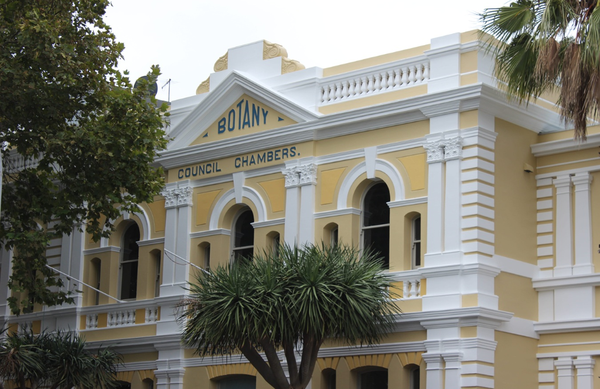
Painting works for government and council buildings require a different level of planning, accountability and compliance compared to standard commercial projects. These environments often involve strict procurement processes, public safety considerations and detailed reporting requirements.
For facilities managers, councils and asset managers, understanding how government building painting projects are delivered helps ensure works meet regulatory standards and are completed with minimal disruption. This article outlines the key considerations when engaging commercial painting services for government and council buildings.
Why government and council projects require a different approach
Government and council buildings are high visibility assets. They are often in constant use and may include offices, community facilities, schools, or public infrastructure.
Painting projects in these environments must account for:
- Ongoing public access and safety
- Compliance with government standards and policies
- Detailed documentation and reporting
- Coordination with multiple stakeholders
- Long term asset management objectives
Commercial painting services must therefore be structured, transparent and capable of operating within formal project frameworks.
Compliance and regulatory requirements
Government building painting projects are subject to strict regulatory oversight. Contractors must demonstrate compliance with workplace health and safety legislation as well as any project specific requirements.
Key compliance considerations include:
- Site-specific risk assessments and Safe Work Method Statements
- Adherence to working at heights regulations where applicable
- Environmental management and waste disposal procedures
- Contractor licensing and insurance documentation
- Compliance with procurement and reporting standards
Painting safety compliance is closely monitored in government environments, and documentation must be maintained throughout the project.
Planning and project scoping
Clear scoping is essential for government and council painting works. A well-defined scope reduces ambiguity and ensures all stakeholders understand the expected outcomes.
Effective project planning typically includes:
- Detailed assessment of building condition
- Identification of surface preparation requirements
- Specification of coating systems and finishes
- Defined project stages and timelines
- Consideration of access constraints and public interaction
Commercial painting services that invest time in planning are better positioned to deliver consistent and compliant results.
Managing public access and disruption
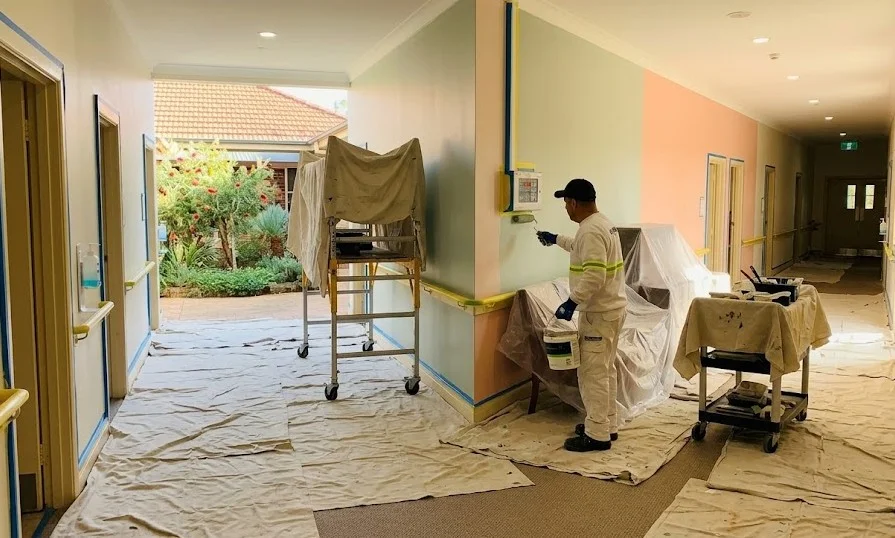
Many government and council buildings remain operational during painting works. Managing public access safely is a key responsibility.
This involves:
- Establishing exclusion zones where required
- Scheduling works to minimise disruption to services
- Clearly communicating access changes to building users
- Coordinating with facility managers and other contractors
Failure to manage access properly can create safety risks and affect public confidence in the project.
Contractor capability and experience
Not all contractors are equipped to manage government building painting projects. Experience in similar environments is critical.
When assessing commercial painting services consider:
- Previous experience with government or council projects
- Ability to manage documentation and reporting requirements
- Workforce capability including qualified painters and access specialists
- Established safety systems and supervision structures
- Capacity to deliver projects at scale
Contractors should be able to demonstrate how they manage complex projects while maintaining compliance and quality.
Quality assurance and long-term performance
Government assets are expected to perform over the long term. Painting works should therefore be completed with durability and maintenance in mind.
Quality assurance in painting projects includes:
- Proper surface preparation
- Selection of suitable coating systems
- Ongoing inspection during works
- Final quality checks before handover
A structured approach to quality helps reduce the need for early rework and supports long term asset performance.
Documentation and reporting expectations
Government projects often require more detailed reporting than standard commercial jobs. Documentation provides accountability and supports compliance verification.
Typical reporting requirements may include:
- Daily or weekly progress updates
- Safety and incident reports
- Inspection records
- Completion documentation
Commercial painting services must have systems in place to manage these requirements efficiently.
What this means for councils and facility managers
When engaging contractors for government building painting, it is important to prioritise structure, compliance and experience. Reviewing how a contractor manages planning, safety and reporting provides a clearer indication of their capability.
A well-managed project supports public safety, protects the asset and ensures works are completed in line with regulatory expectations.
If you are planning painting works for a government or council building, Premier Painting provides professional commercial painting services across Sydney, the Central Coast and Newcastle. With extensive experience in government building painting, their team delivers structured, compliant projects with a strong focus on safety and quality.
Contact Premier Painting to discuss your project requirements.







.png)

.png)