How to Spot Early Signs of Wear in Your Building’s Paintwork
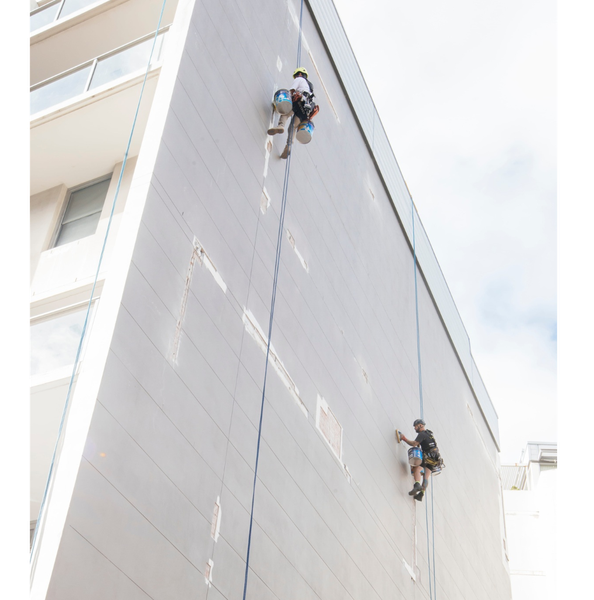
A well-maintained building doesn’t just look good. It also holds its value, protects the structure underneath and gives owners confidence that their property is being cared for. But like any surface exposed to the elements, paintwork will eventually show signs of wear.
Noticing early signs of deterioration can help your committee or Strata Manager plan maintenance before problems escalate. As a strata lot owner, knowing what to look for means you can help protect your shared investment by raising issues early.
Why Paintwork Matters
Paint is more than a colour finish. It acts as a barrier against weather, UV, moisture and pollutants. When that protective layer starts to break down, the surfaces beneath it, like concrete, timber or steel, become more vulnerable to damage.
Staying on top of these issues through regular inspections and reports is the role of the committee and Strata Manager. But it helps when owners are also observant and proactive.
Common Early Warning Signs
Here are some things to look out for when walking through your building’s common areas, car parks, stairwells or external façades:
- Fading or discolouration
Sunlight gradually breaks down pigments. If the colour looks dull, bleached or uneven, it may be a sign the coating has lost its UV resistance.
- Peeling or flaking
This is a clear sign that the paint is no longer adhering properly. It can be caused by moisture getting behind the surface, poor preparation during the last repaint or natural aging.
- Cracks in painted surfaces
Hairline cracks, especially near expansion joints or window frames, can let in water. Even small cracks can expand with weather and cause bigger problems.
- Mould or mildew
Stains or green-black patches, especially in shaded or damp areas, may suggest the coating is no longer protecting against moisture. Mould can also affect indoor air quality.
- Rust stains or bubbling around steel fixtures
Where metal surfaces like railings or balcony balustrades are painted, bubbling or rust bleeding through is a sign the coating has failed and corrosion has begun.
- Scuffed or damaged walls in high-traffic areas
In buildings with a high number of renters or frequent move-ins and outs, paintwork in lobbies, lifts and stairwells often wears down faster due to knocks, scrapes and general use.
When to Raise a Concern
You don’t need to know the technical cause of every issue. But if you notice visible signs like those listed above, it is worth raising them with your committee or Strata Manager. This can help the building plan a condition assessment, a wash or a targeted touch-up before larger problems set in.
Small signs of wear often give early warning that bigger issues may be developing. Reporting them early can prevent costly remedial work down the track.
Helping Protect Property Value
Owners sometimes assume that painting and maintenance are only addressed every decade. But the truth is, smart buildings are maintained more often and in smaller, manageable stages. This approach keeps the building looking fresh and functioning well, while avoiding major surprise costs.
By staying observant and reporting small issues when they arise, owners help ensure their building remains well presented, protected from damage and appealing to future buyers.
For more details on how to manage and maintain your building’s paintwork, get in touch with Premier Painting today: www.premierpainting.com.au







.png)

.png)