Painting Compliance Requirements for Strata and Government Buildings
Painting works in strata and government environments involve more than surface preparation and finishes. They must meet strict safety standards, regulatory requirements and documentation obligations. For strata managers, councils and facilities teams, understanding painting compliance for strata buildings is essential to reducing risk and protecting shared assets.
This article explains what painting compliance involves, what regulations typically apply and where common compliance gaps occur. It also outlines how structured project management helps ensure painting works meet required standards from start to finish.
Why compliance matters in strata and government painting
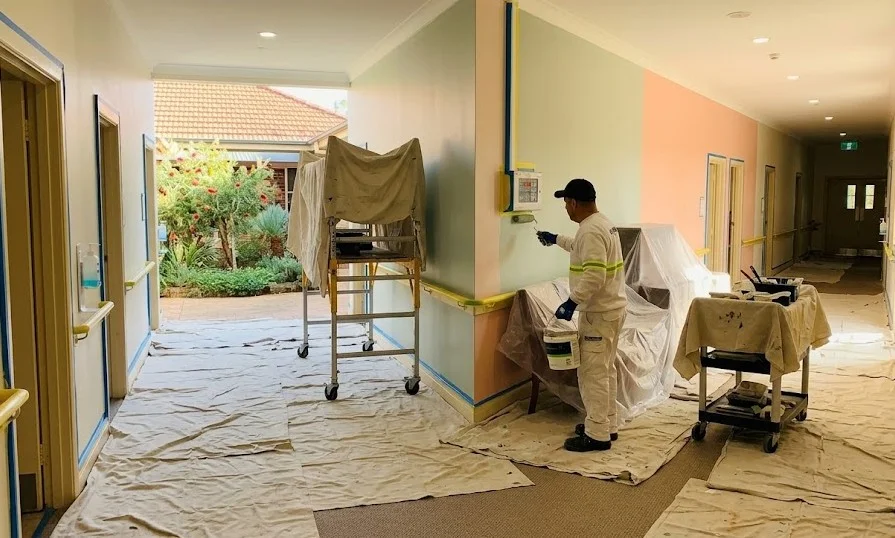
Strata and government properties are high accountability environments. Buildings are often occupied during works and are subject to workplace health and safety legislation as well as public liability considerations.
Non-compliant painting projects can result in:
- Safety incidents involving workers, residents or the public
- Regulatory penalties or stop work notices
- Insurance complications
- Reputational damage
- Increased long term maintenance issues
Government building painting in particular is often subject to additional procurement and reporting requirements. This increases the importance of selecting compliant painting services with appropriate systems and experience.
What painting compliance for strata buildings typically covers
Painting compliance for strata buildings extends beyond the application of paint. It covers planning documentation, safety controls, environmental management and quality assurance.
Key compliance areas generally include:
- Workplace health and safety obligations
- Safe Work Method Statements and risk assessments
- Working at heights regulations
- Public protection and exclusion zones
- Environmental controls including waste management
- Contractor licensing and insurance requirements
These requirements apply whether the works involve a low-rise complex or a high-rise residential tower.
Working at heights and high-risk activities
Many strata and government buildings involve elevated work areas. High-rise painting safety compliance is therefore a major consideration.
Compliance obligations in these environments typically include:
- Appropriate access systems such as rope access or scaffolding
- Certified and trained personnel
- Documented risk assessments
- Fall protection systems
- Regular equipment inspection and maintenance
Failure to manage high-risk activities correctly can expose building owners and committees to significant liability.
Lead paint and hazardous materials management
Older buildings may contain lead-based coatings or other hazardous materials. Lead paint management is a regulated area and requires strict controls.
Compliance requirements may involve:
- Testing and identification of hazardous materials
- Controlled removal or encapsulation procedures
- Air monitoring where required
- Waste containment and disposal in accordance with regulations
- Notification and documentation obligations
Government building painting projects often include specific clauses addressing hazardous material management. Understanding these obligations before work begins, helps avoid delays and compliance breaches.
Documentation and reporting requirements
Compliant painting services rely on structured documentation. This protects all parties and provides a clear record of how risks were managed.
Typical documentation may include:
- Risk assessments and Safe Work Method Statements
- Access system certifications
- Insurance certificates
- Incident reporting procedures
- Inspection and quality control records
For strata managers and government representatives this documentation provides assurance that works have been conducted responsibly and in line with regulatory expectations.
Common compliance gaps in painting projects
Compliance gaps often arise not from intent but from poor planning or insufficient supervision.
Common issues include:
- Inadequate risk assessments
- Missing or incomplete safety documentation
- Uncertified access equipment
- Lack of communication with residents or building users
- Insufficient site supervision
These gaps can escalate quickly in shared environments where multiple stakeholders are affected.
How structured project management supports compliance
Compliance is not a one-time checklist. It must be integrated into every stage of the project lifecycle.
A structured approach typically includes:
- Detailed prestart planning
- Site specific risk assessment
- Clear communication with stakeholders
- Ongoing supervision and safety monitoring
- Final inspections and documented handover
Compliant painting services prioritise safety culture, training and clear processes. This reduces the likelihood of incidents and supports consistent quality outcomes.
What this means for strata managers and councils
When evaluating contractors, it is important to look beyond surface-level proposals. Questions about safety systems, documentation, experience in government building painting and familiarity with painting safety compliance standards are critical.
Selecting a provider that understands painting compliance for strata buildings helps protect residents, building users and asset value. It also supports smoother project delivery and reduced exposure to regulatory risk.
If you are planning painting works for a strata complex or government property, compliance should be a priority from day one. Premier Painting delivers compliant painting services across Sydney, the Central Coast and Newcastle with a strong focus on safety documentation and quality assurance. Contact Premier Painting to discuss your project and ensure it meets all required standards.







.png)

.png)