Choosing the Right Type of Paint for the Job
When we decide to give our property a new look, we often get busy deciding on the shade of the paint. However, choosing the right paint and finish is just as important as selecting a paint colour. For a flawless and long-lasting finish, getting suitable paint for the area you are painting is a must. Although many homeowners overlook this step, there are several important factors to consider before exploring the paint store and choosing the type of paint.
Knowing the paint types and their different functions is necessary to select the right kind of paint for your project, be it residential or commercial. In this guide, we will go through several types of paint that are commonly used and learn a few tips and tricks to finally choose the best type of paint based on your property's requirements.
Different types of paint are used in houses and commercial projects
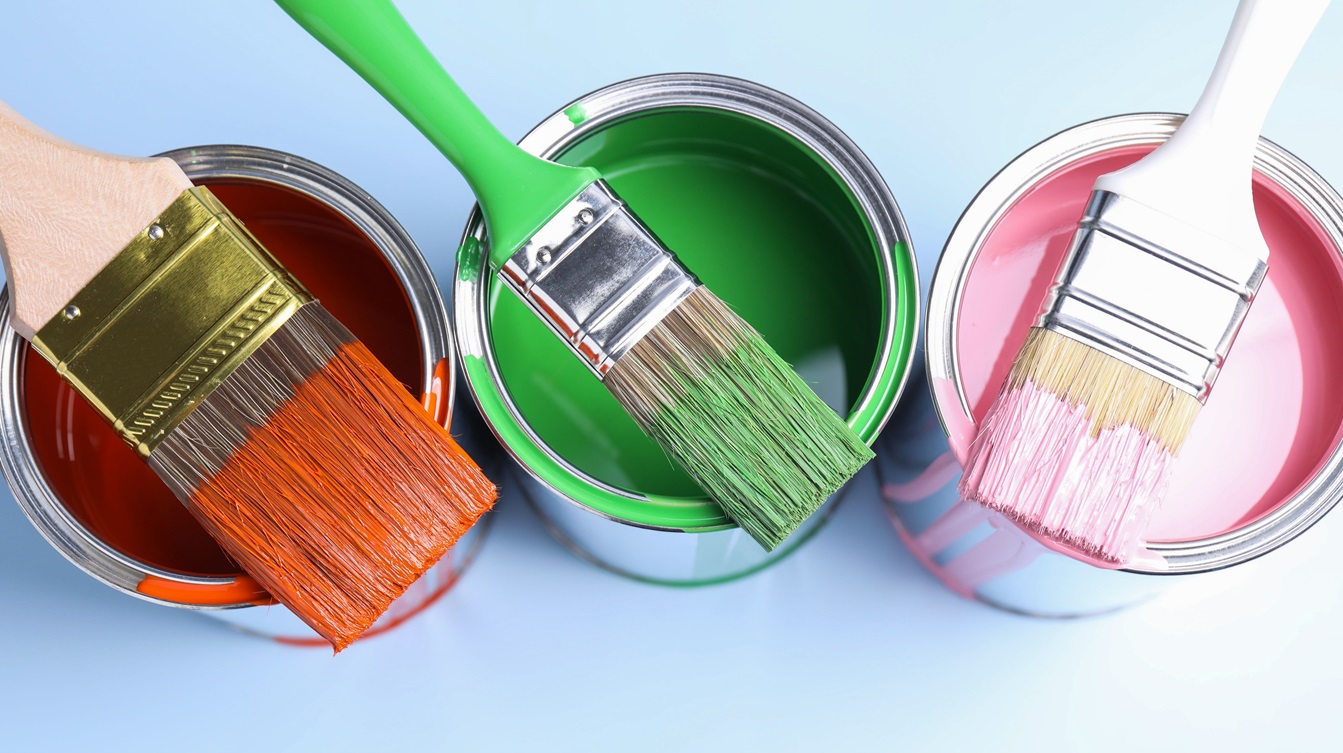
Here's a list of paint types to get started with the journey of selecting the correct one-
Oil-based paint
Paint with an oil base, also known as solvent-based paint, is a long-lasting paint that can withstand heavy usage. Oil-based paints are ideal for painting outdoors and will last longer than water-based paints on furniture, doors, and windows. The only disadvantage of oil-based paints is that they require more time to dry, which could take up to 24 hours, depending on the paint brand.
Water-based paint
Water-based paints are also commonly known as latex paints. It is the best option for walls and ceilings that do not go through much wear and tear. They dry faster than oil-based paints, allowing for multiple coats in a single day. However, because this paint is less durable, it is not recommended for high-traffic surfaces.
Flat paint
Commonly known as mattes, flat paint has a chalky appearance. The finish does not reflect light, so there is little to no shine. A surface painted with a flat finish easily conceals flaws due to its lack of reflective nature. However, flat paints are the least durable and cannot withstand washing and scrubbing, unlike other finishes.
High-gloss paint
One of the brightest and most reflective types of paint would be high-gloss paint. Whatever colour you use with this sheen will be a focal point of the room. Its hard surface is resistant to wear and tear, so don't hesitate to use it on hutches, cabinets, or vanities. Remember that the highly reflective surface highlights scratches and dents, so avoid using it on imperfect walls.
Semi-gloss paint
This kind of paint is best used in kitchens and bathrooms because it won't fade with frequent cleaning. It works well for wall trims as well. Sand and clean your cabinets before painting if you plan to do so, as the gloss will highlight any flaws. Additionally, the reflective surface of semi-gloss paints makes darker spaces appear lighter and airier.
Enamel paint
Compared to regular or standard paints, "Enamel" paints will offer a more resilient and long-lasting finish. Although most enamel paints are oil-based, there are water-based varieties that work well on cabinets.
Spray paint
Spray paint can be a creative way to paint walls and other items inside and outside the house if you're an art enthusiast. Spray paint can, in fact, be completed much more quickly than traditional painting, but it's crucial to protect yourself from the fumes and only apply outside or in an area with good ventilation.
Eco-friendly paints
Use paints made entirely of natural ingredients, such as clay-based or plant-based paints, if you want safer, greener paints that don't contain any harmful volatile organic compounds (VOCs). Despite taking longer to dry, these paints produce results that are on the same level as those of conventional paint types.
Understanding the different surface requirements
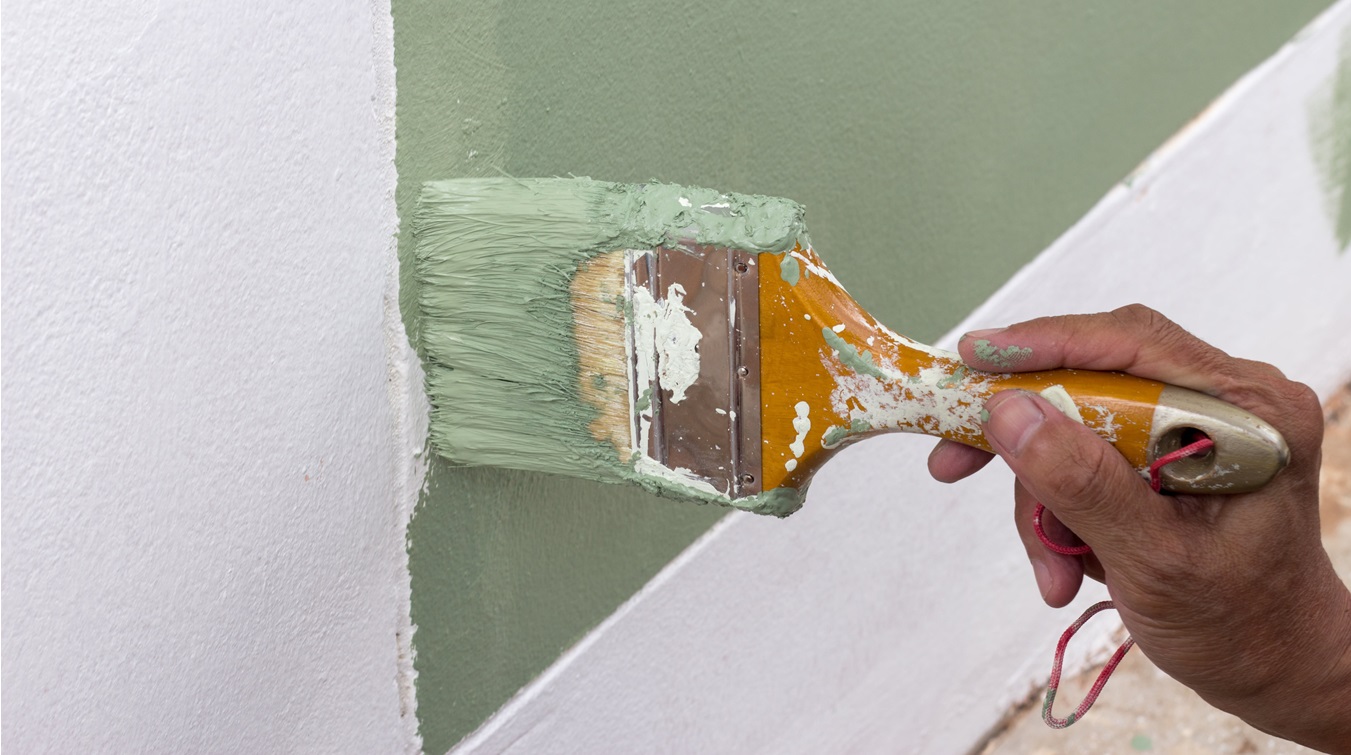
The kind of paint you select will also depend on the kind of surface you are painting. So, the paint you choose should be appropriate for the surface you are painting.
Exterior walls
Because exterior walls are subjected to severe weather, they need to be painted with a long-lasting, weather-resistant coating. Most Dulux Accredited painters advise using premium acrylic paints for commercial or residential exteriors due to their extreme flexibility, durability, and resistance to environmental factors. Because this paint is resistant to fading, chipping, and cracking from exposure to sunlight and extreme temperatures, acrylic latex paints are especially effective.
By allowing the surface to breathe, these paints reduce the chance of moisture build-up and overall mould and mildew growth. Additionally, these paints have good adhesion qualities, meaning they adhere well to masonry, metal, and wood surfaces. For exterior surfaces, paints with additional UV protection and anti-mildew qualities are advantageous.
Interior walls
For indoors, you need to choose a paint that is easy to maintain, toxin-free and long-lasting. Typically, latex or water-based paints are used to paint interior walls. These paints have a low odour, are easy to apply, and dry quickly. With soap and water, it's also simple to clean. It might be necessary to use a primer before applying the latex paint to a wall that was previously painted with oil-based paint in order to guarantee good adhesion. Also, depending on different indoor areas, requirements might change-
- Ceilings: The abrasion doesn't affect ceilings, but over time, dirt, grease, and cooking debris cause them to become discoloured and lifeless. For ceilings, a satin or flat sheen works well because it conceals flaws.
- Bathrooms: Because bathrooms tend to generate a lot of moisture, you want to be sure that your paint will endure over time. Paint that is semi-gloss or high-gloss is ideal because it is simple to clean.
- Trims: Since doors, windows, and mouldings come into more physical contact than walls, they usually require a higher sheen. In these areas, a glossy paint job can be effective.
Wooden surfaces
A different kind of paint is needed for wood surfaces than for walls. Because they penetrate the wood grain and offer a durable paint finish, oil-based paints and stains are frequently used on wood surfaces. These paints are perfect for outdoor wood surfaces like siding, decks, and fences because they are also insect and moisture-resistant.
How do you choose the right type of paint?
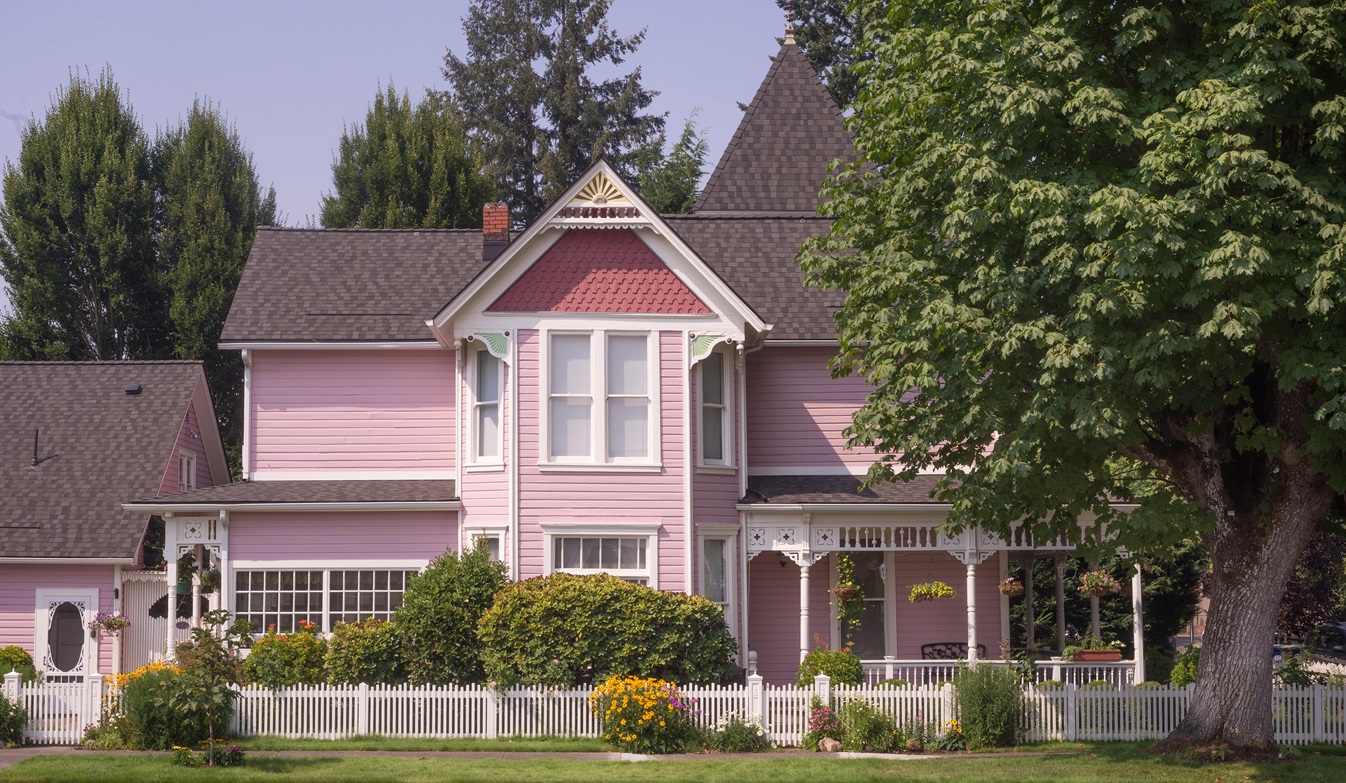
Here are a few tips and tricks to consider if you want to select the right type of paint-
Considering the local climate
The climate of Sydney, or most areas of Australia, is warm and dry, with mild to hot temperatures. The heat, along with humidity, can make the paint peel, fade, and crack, which makes it difficult for painting services in Sydney to ensure flawless results. Therefore, it's necessary to select paint that is appropriate for the climate of Australia.
Using specific paint for different areas
It's possible that you are getting a paint job for all the areas of your interiors, along with the exteriors. In that case, make sure your painters are not using interior paint outside or mixing up separate paint finishes in the wrong areas.
Choosing the right brand
Although there are many options available, some brands are more distinctive than others because of their high-quality goods and excellent customer support! Verify that the company you select has a positive reputation with its clients.
Final thoughts
Now that you have understood the basics of different categories of paint, contact local painting services in Sydney, guide them in choosing the most suitable paint and get a complete makeover of your property.








.png)

.png)